Annabhedi sinduram is a herbal formula in the form of tablets that effectively manage indigestion, anaemia, dizziness, anorexia, etc...
Spotlights
Ayurvedic medicine is one of the world's oldest holistic healing systems. It was developed more than 3,000 years ago in India. The main aim of Ayurvedic medicine is to promote good health and wellness, not fight disease. It also helps to make a balance between the mind, body, and spirit. ..
Based On Your Reading History
The external application of Maha Vishagarbha Taila can treat Vata disorders and neuro-muscular conditions. ..
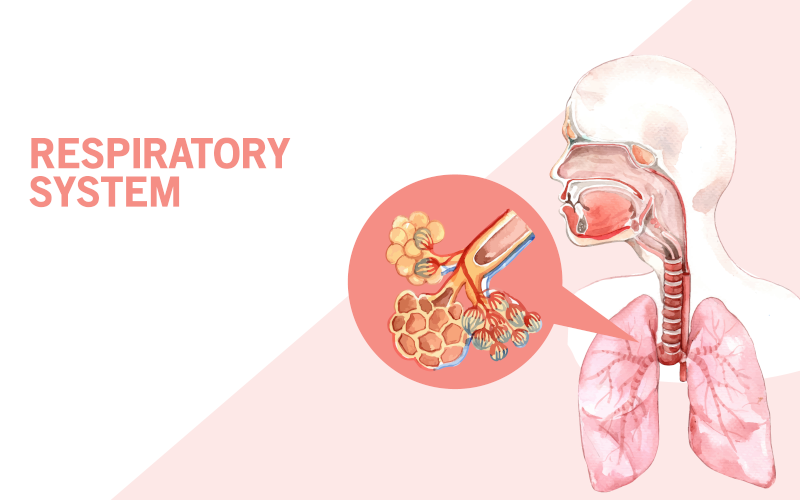
The lungs are one of the vital organs in this system because the lungs are constantly working to provide oxygen to the body for its proper functioning. But in this modern era, there is an increase in the rate of air pollution that adversely affects our respiratory system. High levels of toxins and pollutants in the air cause lung disorders. So it is vital to keep our lungs clean and Healthy...
Gorochanadi Gulika is a traditional Ayurvedic antidote in the form of tablets. Ayurveda advises the consumption of Gorochanadi Gulika in treating respiratory diseases such as cold, cough, fever, asthma, sinusitis, etc. Gorochanadi Gulika is also known as Gorochanadi vati. Gorochanadi Gulika has anti-microbial and anti-parasitic qualities that aid in treating respiratory disorders...
Lehyas or Lehyam is the Ayurvedic formulations in jam-like medicines, sweetened using jaggery or sugar, considered a powerful aphrodisiac and nervine tonic. Lehyam has an immune booster with anti-oxidants that help you feel more energized, reduce fatigue and improve stamina, muscle strength, and sexual vigor...
Cataract refers to the cloudy appearance of the lens of the eye, which causes clouded vision. Due to the clouding of the vision, a person suffering from a cataract finds it very difficult to see properly, read anything, or even drive a car. Most cataracts develop when aging or injury changes the tissue that makes up the eye's lens. It is caused by proteins and fibers in the lens that begins to break down, causing vision to become hazy or cloudy. Thus, it prevents the lens from transmitting clear images to the retina. The function of the retina is to convert the light that comes through the lens into signals. It transmits those signals to the optic nerve, which in turn carries them to the brain. A cataract develops gradually and obstructs your vision. It may affect both eyes, but usually not simultaneously. Cataracts are relatively more common in people over 40...